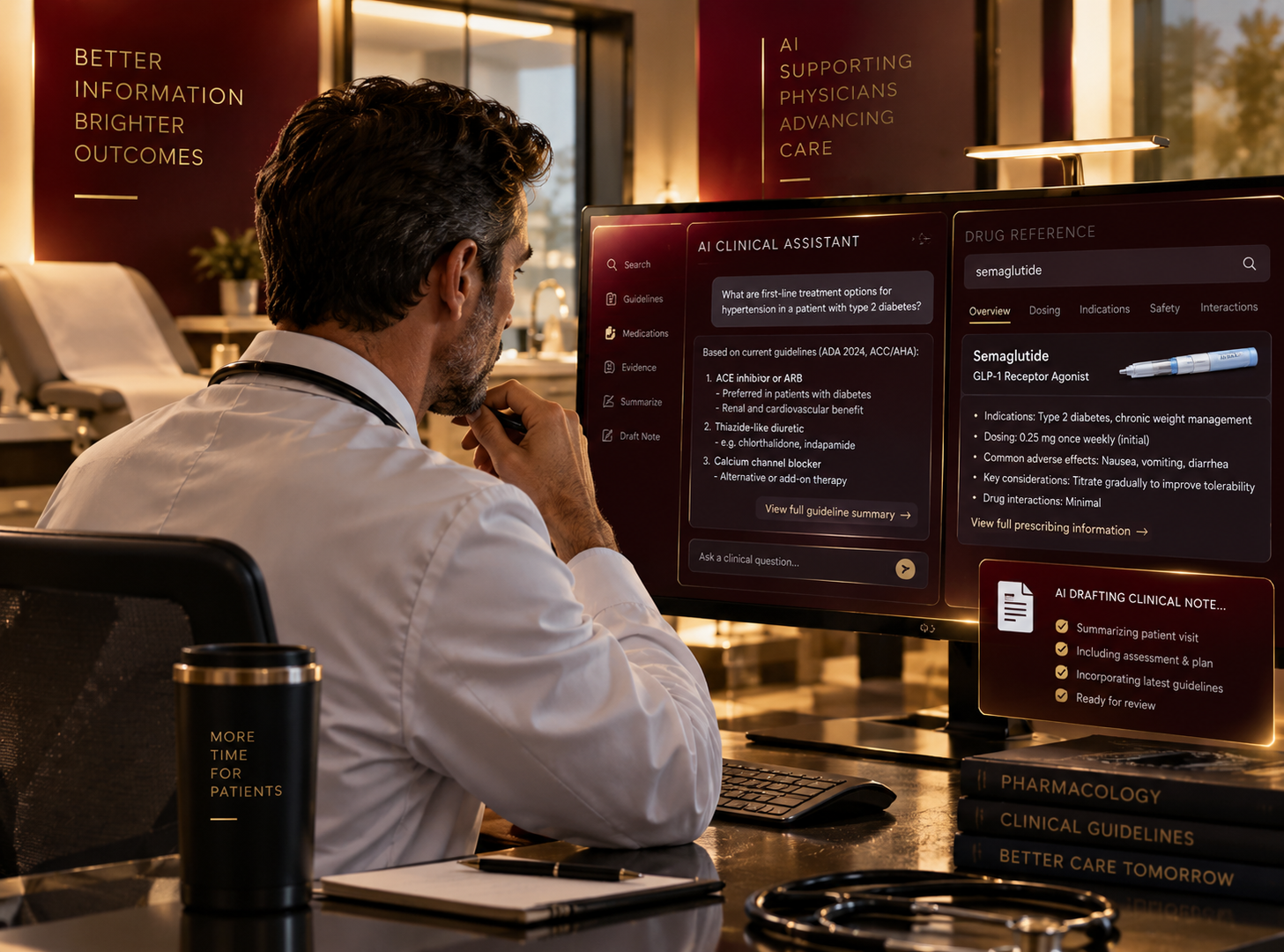
The Integration of AI in Private Practice Medicine
In recent years, artificial intelligence (AI) has increasingly permeated various sectors, with healthcare being a significant beneficiary. The article from Harvard Gazette outlines the transformative potential of AI in healthcare, particularly in private practice settings. It highlights how AI is enhancing diagnostic accuracy, streamlining administrative workflows, and personalizing patient care. Notably, 64% of physicians surveyed believe that AI will significantly improve patient outcomes within the next five years.
Enhancing Diagnostics and Patient Care
AI's ability to process and analyze vast amounts of data with precision is reshaping diagnostics. By employing machine learning algorithms, AI can identify patterns and anomalies in medical imaging that might be overlooked by the human eye. This capability is crucial in early disease detection and personalized treatment plans, aligning with the tenets of precision medicine.
Moreover, AI applications in patient care extend beyond diagnostics. Predictive analytics, a significant AI application, aids in identifying at-risk populations, allowing for timely interventions. This proactive approach aligns with value-based care models, which prioritize patient outcomes and satisfaction.
“Predictive analytics, powered by AI, allows us to intervene before problems escalate, not just react after the fact,” noted one clinical director.
Overcoming Resource Limitations
While the potential of AI in healthcare is vast, private practices face challenges in adopting these technologies due to limited resources and infrastructure. Unlike larger hospital systems, which benefit from substantial investments in AI-driven systems, independent practices must navigate financial and logistical constraints. Nevertheless, many private practices are finding ways to integrate AI into their operations, leveraging its capabilities to improve efficiency and patient engagement.
“Even small practices can harness AI—if implementation is done thoughtfully and strategically,” emphasized a healthcare consultant.
Navigating Ethical and Security Concerns
As AI continues to evolve, it poses significant implications for clinical decision-making. There is a pressing need for ongoing discussions regarding ethical use, data security, and the necessity for training healthcare professionals. Ensuring that AI enhances rather than complicates the clinician-patient relationship is paramount.